


Croatia’s charm isn’t limited to the sparkling Adriatic or its well-known cities - it extends to its timeless coastal towns that have thrived for centuries in quiet beauty.
These are places with cobbled alleys, salt in the air, and stories older than most nations. And the best way to reach them? By boat, of course.
Croatia’s coastline is more than just sun-drenched beaches and crystal-clear coves. It’s a living museum of maritime history, dotted with ancient towns that have stood the test of time. For sailors who appreciate not just the freedom of the sea but also the stories etched into stone walls, bell towers, and crumbling fortresses, Croatia offers a one-of-a-kind experience.
This guide is designed to help you chart a route from Dubrovnik in the south to Rovinj in the north, stopping along the way in some of the most historically rich towns on the Adriatic. Whether you're on a one-week sail or planning a longer journey, these old coastal towns will make every nautical mile worthwhile.
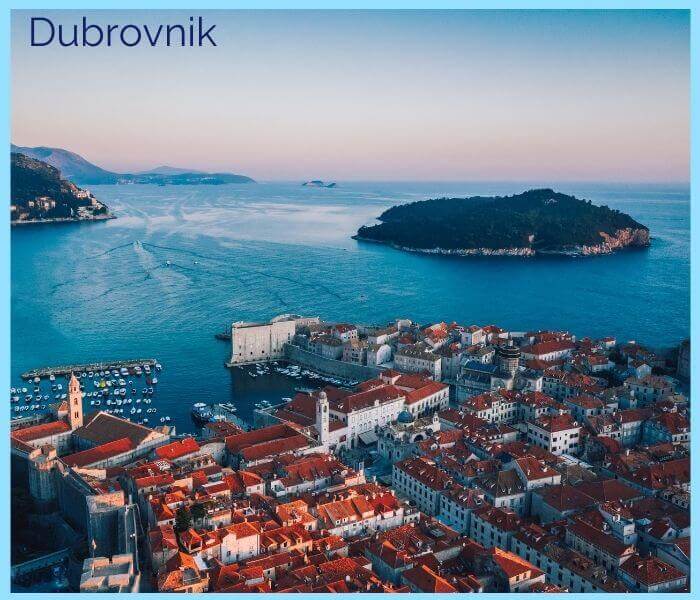
Dubrovnik
Dubrovnik, often called the "Pearl of the Adriatic," is a UNESCO World Heritage Site known for its perfectly preserved medieval walls, baroque churches, and centuries-old port. Once a powerful maritime republic, Dubrovnik has a proud seafaring legacy that still pulses through its old harbor.
Pro sailing tip: Port Gruž is your main marina here, but for a more scenic anchorage, consider Lokrum Island just offshore. Expect busy traffic, so arrive early during peak season.
Why sail here: Avoid the crowds by exploring the city walls at 8 a.m., then escape to nearby Lokrum for a peaceful afternoon swim among peacocks and ruins.
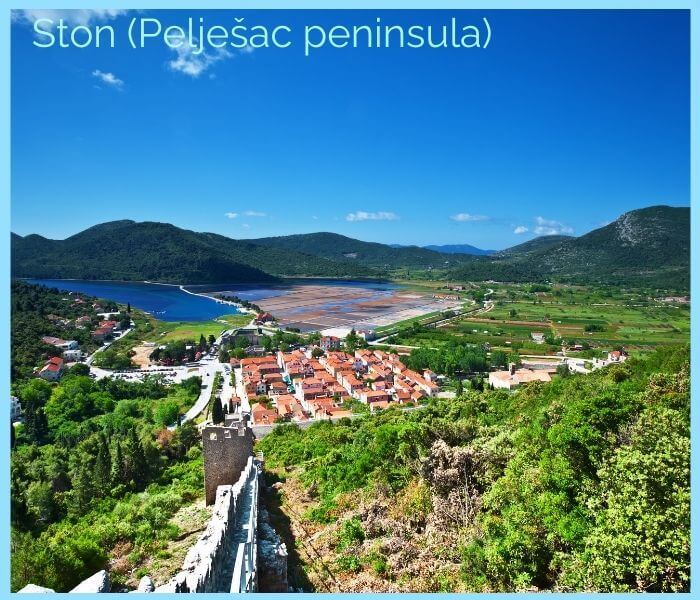
Ston (Pelješac peninsula)
Ston is famous for its long defensive wall system and salt pans dating back to Roman times. It’s a small town with a big history, and its oysters are renowned across the region.
Pro sailing tip: Anchor in Mali Ston Bay for calm protection. Be mindful of aquaculture zones when navigating the area.
Why sail here: After docking, head straight for a local konoba to try fresh oysters pulled from the bay that morning.
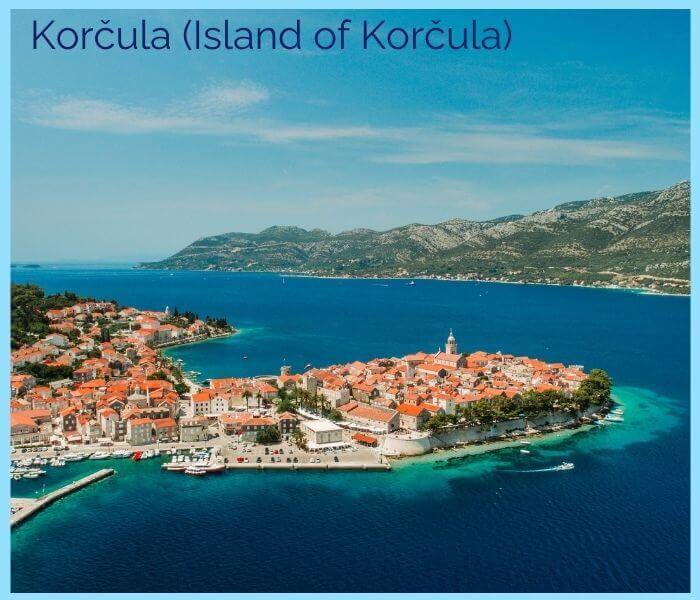
Korčula (Island of Korčula)
Often referred to as "Little Dubrovnik," Korčula boasts narrow alleyways, Venetian architecture, and the supposed birthplace of Marco Polo. The fortified town sits on a peninsula with an easily walkable core.
Pro sailing tip: Marina Korčula fills up quickly, especially in July and August. Try mooring in Luka Bay on the eastern side if you're late.
Why sail here: Seek out the Revelin Tower at sunset for a panoramic view without the crowds.
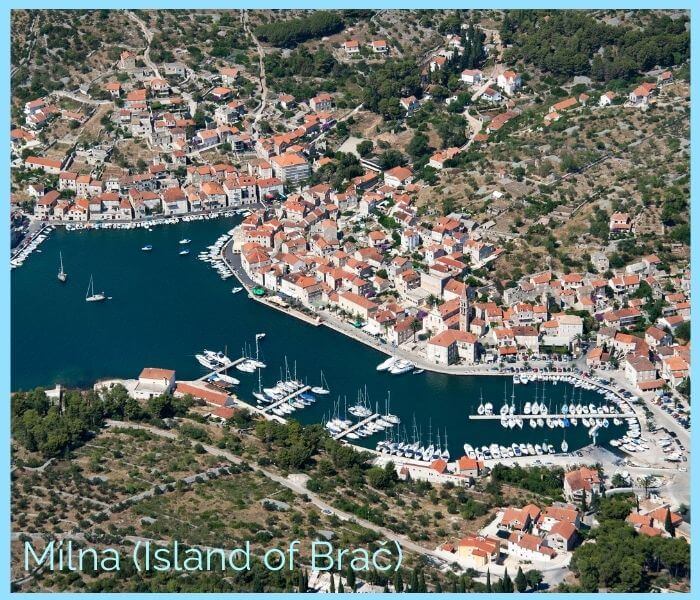
Milna (Island of Brač)
A baroque harbor town with a shipbuilding legacy and a natural bay that served as safe harbor for Venetian fleets. The stone waterfront and slow tempo make it a favorite with experienced skippers.
Why include it: Strong marina infrastructure, good provisioning, and a peaceful stop before or after Hvar.
Pro sailing tip: Marina Milna is well-protected and equipped. If full, there are mooring buoys in the bay and anchoring is possible further out with good holding.
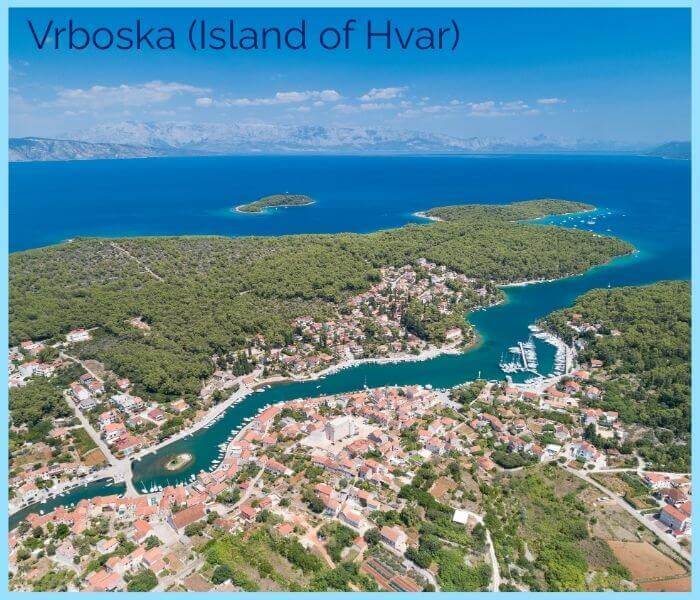
Vrboska (Island of Hvar)
Tucked deep into a narrow inlet, Vrboska is known for its stone bridges, canals, and fortified 16th-century church built to defend against pirate attacks.
Why sail here: Peaceful anchorage, rich heritage, and a refreshing contrast to nearby Hvar Town.
Pro sailing tip: The inlet offers excellent protection from all winds. Be careful when entering - the channel narrows significantly, and speed limits apply.
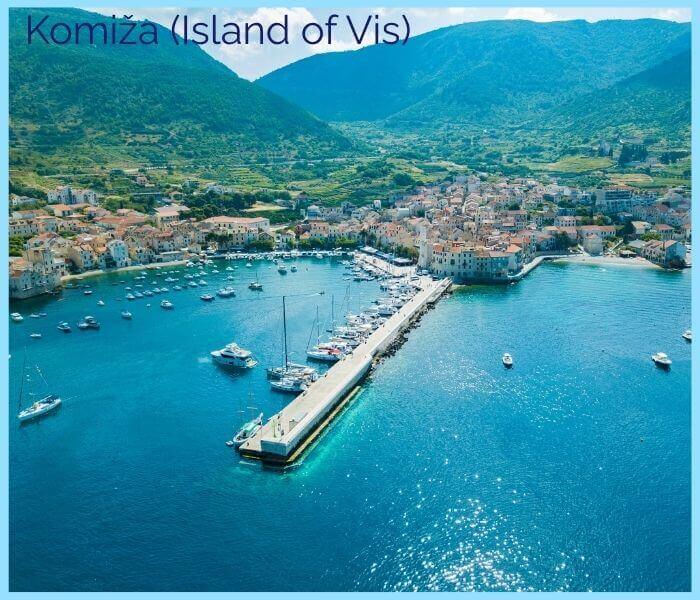
Komiža (Island of Vis)
Vis spent decades as a military base, which kept it off the tourist radar until recently. Its Greek and Roman history, submarine tunnels, and remote feel make it a true explorer’s stop.
Pro sailing tip: Komiža on the western side is less crowded than Vis Town and better protected from bora winds.
Why sail here: Take your dinghy into the old military tunnels carved into the cliffs – an eerie and unforgettable experience.
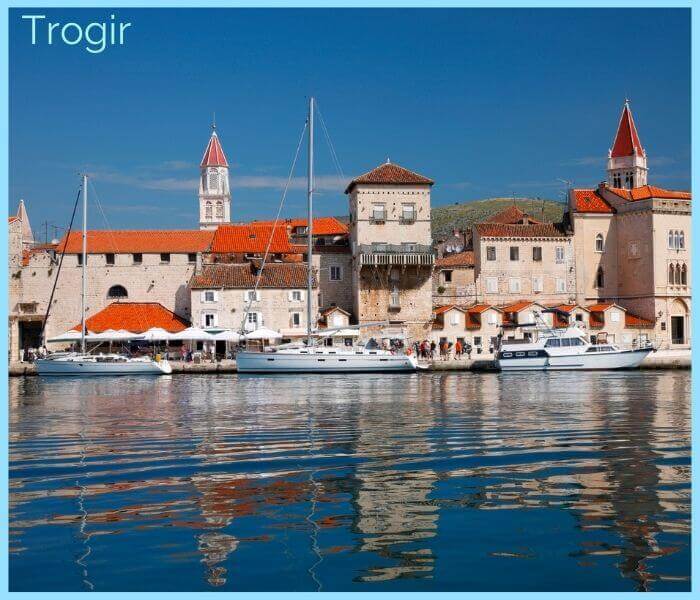
Trogir
Trogir is a small island town connected by bridges to the mainland and Čiovo Island. With Romanesque churches and Renaissance palaces, it's a UNESCO site often overlooked for nearby Split.
Pro sailing tip: Marina Trogir sits directly across from the old town, making for an easy walk into history.
Why sail here: Dine at one of the waterside restaurants and watch the lights reflect off centuries-old facades.
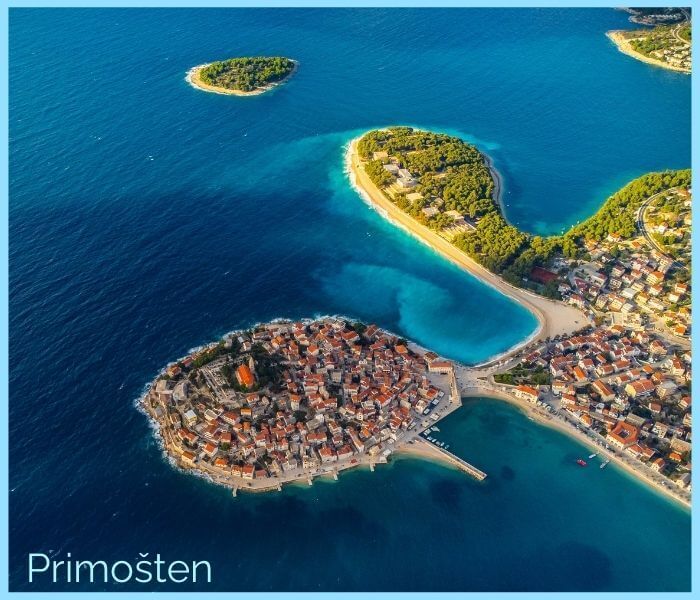
Primošten
Originally an islet, Primošten was connected to the mainland in the 16th century. Known for its old stone houses, winding streets, and vineyards recognized by UNESCO.
Pro sailing tip: Anchor just outside the small marina; the seabed holds well and the view of the old town at sunset is postcard-perfect.
Why sail here: Try the local Babić wine, grown in dry-stone vineyards on nearby hills.
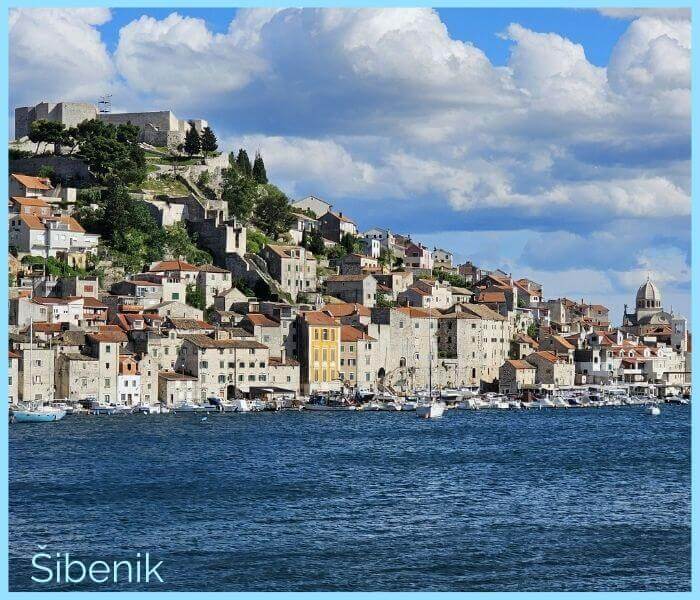
Šibenik
Less flashy than Split or Zadar, Šibenik has two UNESCO sites: the Cathedral of St. James and St. Nicholas Fortress. It’s also the gateway to the Krka waterfalls.
Pro sailing tip: The channel into Šibenik is well-marked but narrow. Consider mooring in Mandalina Marina for deeper drafts.
Why sail here: Climb to St. Michael’s Fortress for an open-air concert or just the best view in town.
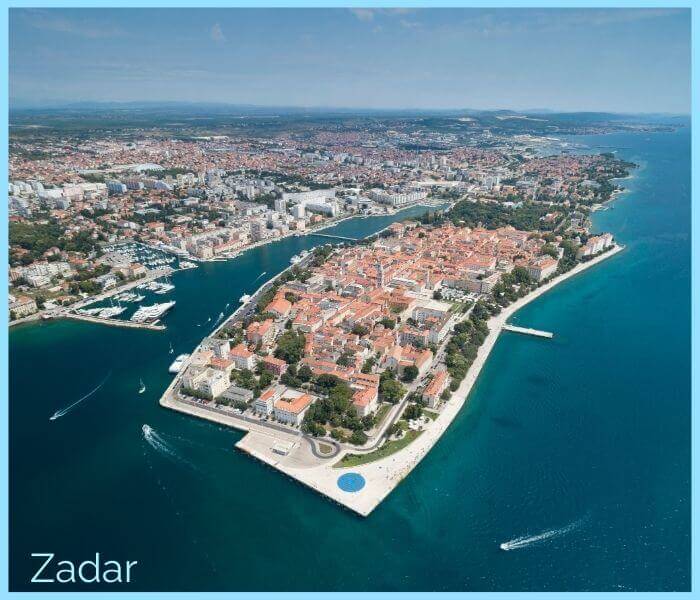
Zadar
Zadar’s old town is a mosaic of Roman ruins, medieval churches, and modern art installations like the Sea Organ. It has history, but also innovation.
Pro sailing tip: For peaceful overnight anchoring, sail west to Uvala Maestral. Good holding, natural shelter, and a calmer vibe just outside the city zone.
Why sail here: Time your arrival with sunset and listen to the Sea Organ while the Monument to the Sun lights up the promenade.
.jpg)
Rab (Island of Rab)
Rab Town is one of the most historically striking spots in the Kvarner Gulf, with four iconic bell towers that define its skyline. The old town has Roman roots and well-preserved medieval streets.
Pro sailing tip: Rab’s town port is protected but tight in high season. If full, Marina Supetarska Draga is a good nearby option with better facilities.
Why sail here: Walk the cobbled lanes of the old town in the evening when the day tourists leave, and catch a traditional performance or fair on summer nights.
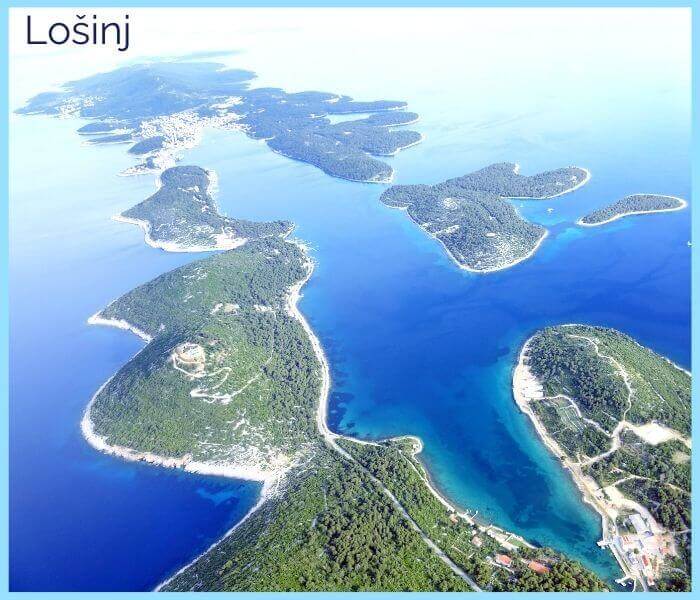
Mali and Veli Lošinj (Island of Lošinj)
Lošinj has long been known as a health retreat thanks to its pine forests, clean air, and mild climate. In the 19th century, it attracted Austro-Hungarian aristocrats who built elegant villas along the coast. Today, it remains a sailor-friendly island with a mix of heritage, seaside charm, and good infrastructure.
Pro sailing tip: Mali Lošinj has good shelter but fills up fast. Veli Lošinj is more peaceful and equally charming.
Why sail here: Visit the Museum of Apoxyomenos to see a 2,000-year-old Greek statue pulled from the sea.
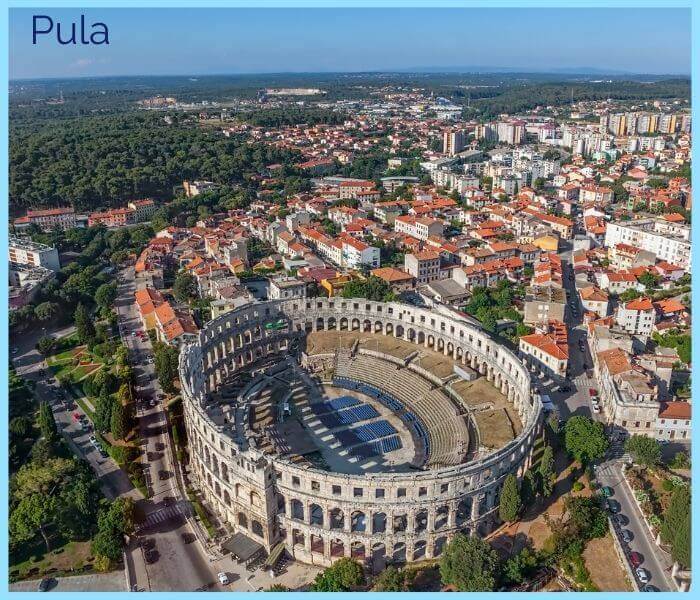
Pula
Pula’s Roman amphitheater is one of the best-preserved in Europe, and the town has layers of imperial and Austro-Hungarian history.
Pro sailing tip: The main port is large but busy. Marina Veruda is a quieter alternative with easy access.
Why sail here: Take a short sail to Brijuni Islands National Park and explore former presidential villas and safari wildlife.
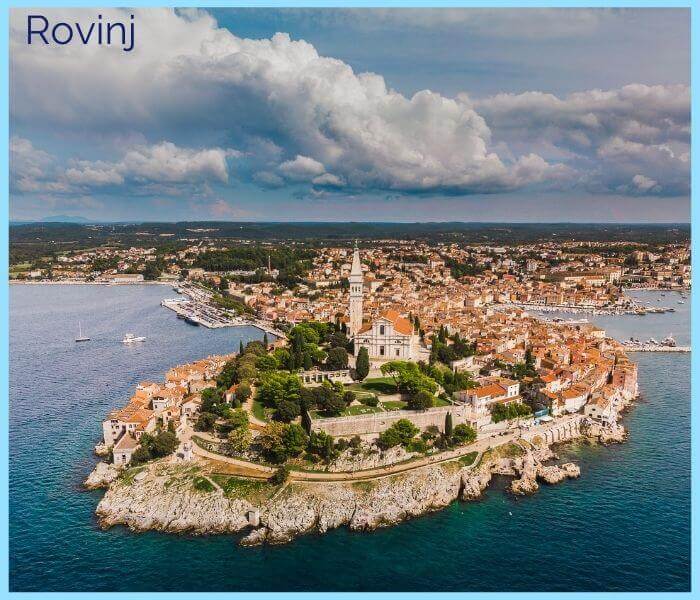
Rovinj
With cobbled streets, pastel houses, and a hilltop church, Rovinj feels like a postcard come to life. The old town was once an island, and the Venetian influence is still strong.
Pro sailing tip: Anchor southeast of the old town for protection and views. Dinghy access is easy, but watch the shallow patches.
Why sail here: Arrive just before golden hour and wander the art-filled alleys before settling in for dinner with a view.
Why sailing is the best way to discover old coastal towns in Croatia
Some of Croatia’s most memorable coastal towns weren’t designed for cars - they were built for boats. Narrow alleys, stone quays, and waterfront squares are often best approached from the sea, not the road. That’s part of what makes sailing here so rewarding.
By boat, you get front-row views, uncrowded mornings, and the freedom to linger. Every small harbor or quiet bay becomes a private entrance to centuries-old stories, local dishes, and warm Adriatic waters.
If this sounds like your kind of journey, you’re not alone. There’s a reason seasoned travelers keep returning to explore coastal towns in Croatia by sea.
With expert planning, reliable yachts, and local knowledge, Jadranka Yachting can help you experience the coast the way it was meant to be seen, from the water.
Start your sailing story with us - contact us today.